
What Are the Conditions Iran Wants to End the War?
What iran wants?

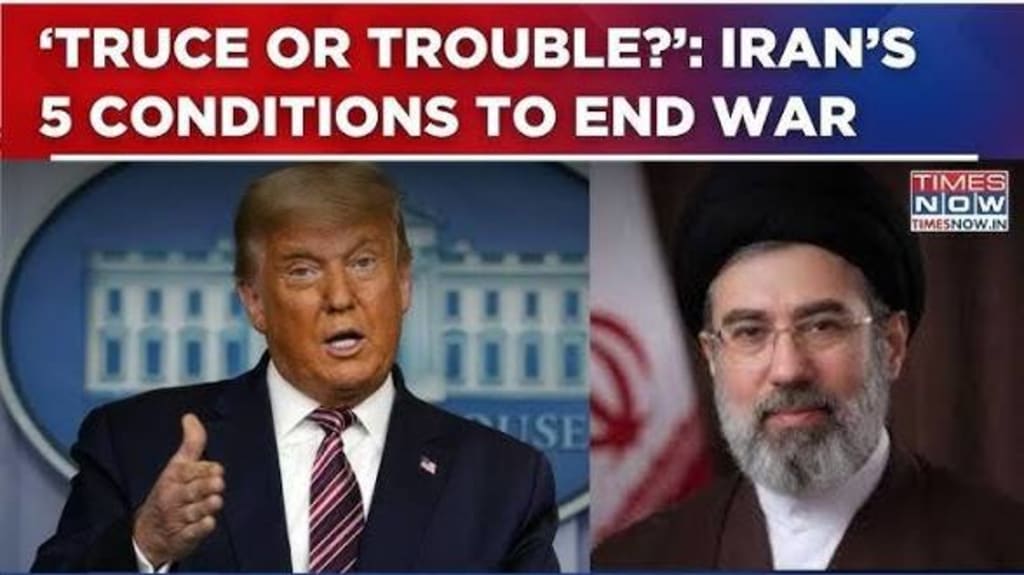
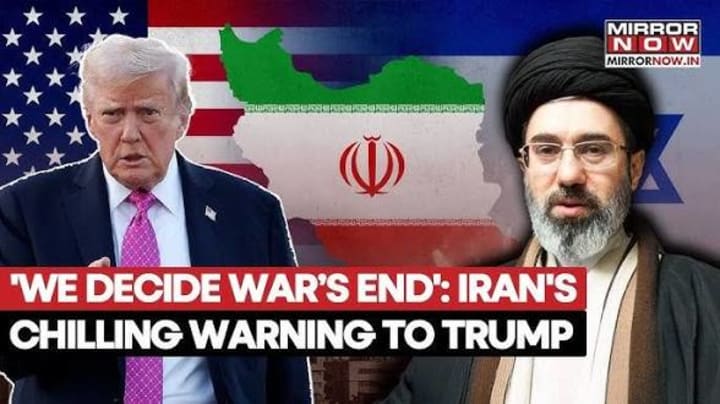
As the conflict between the United States and Iran moves from active fighting to fragile negotiations, one central question dominates global attention: what exactly does Iran want in order to end the war? While a temporary ceasefire has paused large-scale violence, Tehran has made it clear that a permanent end to the war depends on strict and far-reaching conditions.
These demands are not just about stopping the they are about reshaping the balance of power in the region.
A Ceasefire Is Not Enough
Iran has repeatedly rejected the idea of a simple or short-term ceasefire. Instead, it insists on a permanent and binding peace agreement. According to recent developments, Tehran presented a detailed multi-point proposal outlining its for ending the war completely. �
Reuters
This shows that Iran is not interested in temporary pauses—it wants guarantees that the conflict will not restart.
1. Lifting of Sanctions
One of Iran’s most important demands is the removal of all U.S. economic sanctions. These sanctions have severely impacted Iran’s economy for years, limiting trade, freezing assets, and restricting global financial access.
Iran considers sanctions relief a non-negotiable Without it, Tehran sees little benefit in ending the war. �
2. Control Over the Strait of Hormuz
Another major condition is Iran’s continued influence over the Strait of Hormuz, one of the most important routes in the world.
Iran has demanded:
- Recognition of its role in controlling or regulating the strait
- The right to ensure security and even impose conditions on shipping
- This waterway carries a significant portion of global oil supply, giving Iran powerful leverage in negotiations. �
3. Acceptance of Nuclear Rights
Iran also insists on its right to continue uranium enrichment, at least for peaceful purposes. This remains one of the most controversial issues in the conflict.
While the United States sees nuclear development as a security threat, Iran argues that it is a sovereign right. This disagreement remains one of the biggest obstacles to a final peace deal. �
4. End to Military Attacks and Guarantees
- Tehran has demanded:
- An immediate stop to all U.S. and allied military strikes
- Guarantees that future attacks will not happen again
Iran wants long-term security assurances, not just temporary calm. It views these guarantees as essential to preventing another war. �
Reuters
5. Compensation for War Damages
Another key condition is financial compensation for damages caused during the war. Iran argues that infrastructure destruction and economic losses must be addressed as part of any agreement.
This demand adds a financial dimension to negotiations, making a deal more complex and difficult.
6. Release of Frozen Assets
Iran is also pushing for the release of its frozen financial assets held abroad, particularly in Western institutions. These funds are seen as critical for rebuilding its economy after the conflict. �
7. Broader Regional Peace
Interestingly, Iran’s demands go beyond its own borders. It has called for:
- An end to conflicts in the wider Middle East
- De-escalation in places like Lebanon and Yemen
This reflects Iran’s broader strategy to reshape regional dynamics, not just end one war. �
Wikipedia
A Strategy, Not Just Conditions
Taken together, these demands reveal that Iran is not negotiating from weakness. Despite military pressure, it has managed to retain strategic leverage, particularly through its control of key routes and regional influence.
The current ceasefire itself reflects this balance. It is not a surrender—but a negotiated pause, with both sides trying to shape the outcome.
Challenges Ahead
While these conditions outline a possible path to peace, they also highlight why an agreement is difficult. Many of Iran’s demands directly conflict with long-standing U.S. policies, especially regarding sanctions and nuclear restrictions.
Recent reports also show confusion and over ceasefire terms, suggesting that trust between both sides remains low. �
The Washington Post
Conclusion
- Iran’s include:
- Lifting sanctions
- Control over strategic routes
- Recognition of nuclear rights
- Security guarantees
- Economic compensation
These are not simple demands—they are transformational that aim to redefine Iran’s position in the global order.
About the Creator
Sk
"I am a passionate writer, crafting books and articles on Vocal Media, exploring human experiences, stories, and creative reflections."
The Drama - A Movie Review
Are you sure you want to do this now? The Drama was released to theaters in 2026. Charlie and Emma are a week away before getting married. However, when Emma reveals a dark secret from her past, it makes Charlies reluctant and question the woman he is about to marry.
By Marielle Sabbag3 days ago in Geeks
North Shore Players' "Drop Dead" Packs Murder, Mishaps, and Comical Madness
Is this supposed to happen or is this real? North Shore Players (NSP) is bringing audiences a hilarious production of “Drop Dead.” The play centers around a group of has-been actors attempting to revive their careers in a new Broadway show. Several chaotic mishaps occur from technical difficulties, murder, to the horrible thought if the show can go on.
By Marielle Sabbagabout 10 hours ago in Geeks




Comments
There are no comments for this story
Be the first to respond and start the conversation.